

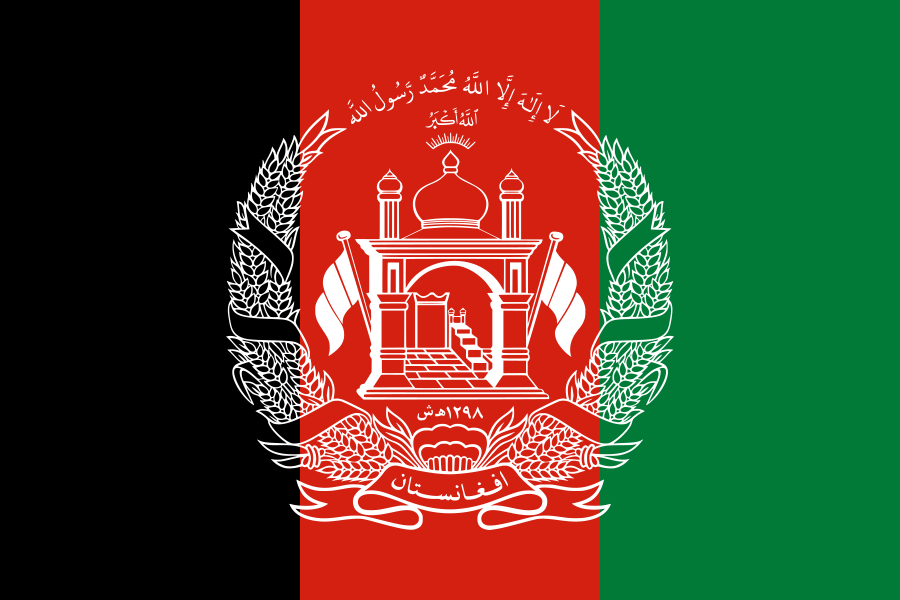
لا إله إلا الله، محمد رسول الله
“Lā ʾilāha ʾillā llāh, Muhammadun rasūlu llāh“
“There is no god but God; Muhammad is the messenger of God.”
Quick Overview
- Official Name: Islamic Republic of Afghanistan
- Nickname: Graveyard of Empires
- Capital: Kabul
- Important Cities: Kandahar, Herat, Mazar-i-Sherif, Jalalabad
- Shares a border with: Pakistan, Iran, Turkmenistan, Uzbekistan, Tajikistan, and China
- Coastlines: none
- Area: At about 252,000 square miles, Afghanistan is bigger than California, but smaller than Texas
- Population: Estimates are that about 30 million people live in Afghanistan. That’s more people than in Texas, but less than people than in California.
- Languages: Dari-Persian (a dialect of Farsi) and Pashto
- Age: While the region that is modern-day Afghanistan has been populated for at least 100,000 years and is the location of one of the first agricultural civilizations in the world, the country we recognize as Afghanistan is only about 100 years old. It was established in 1919 after winning independence from the British Empire.
YouTube channel Geography Now! does these fun 10-minute intro videos for countries. They’re a nice place for getting started with a quick overview.
Photo gallery
Click a photo to open a full-screen slideshow.
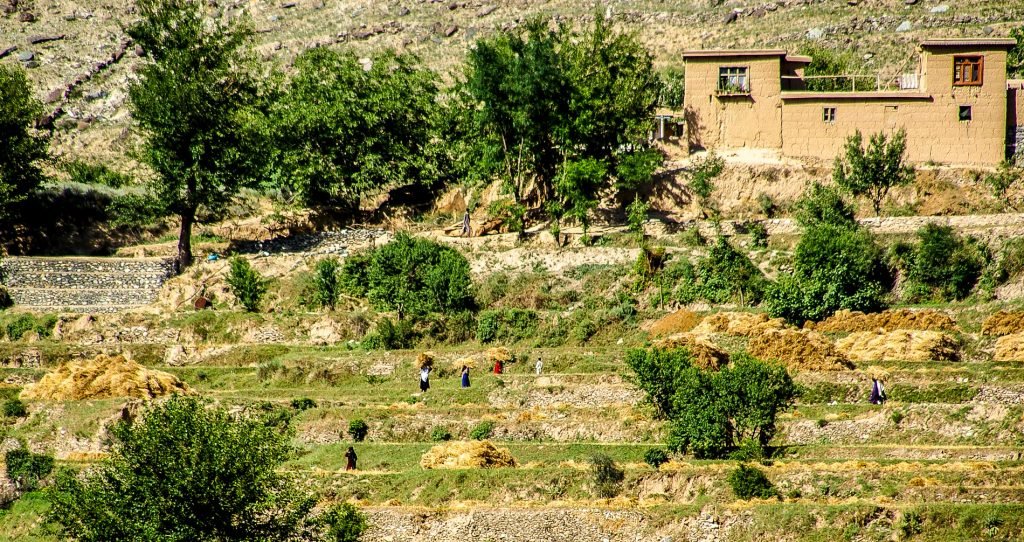
Naray, Afghanistan by R9 Studios FL 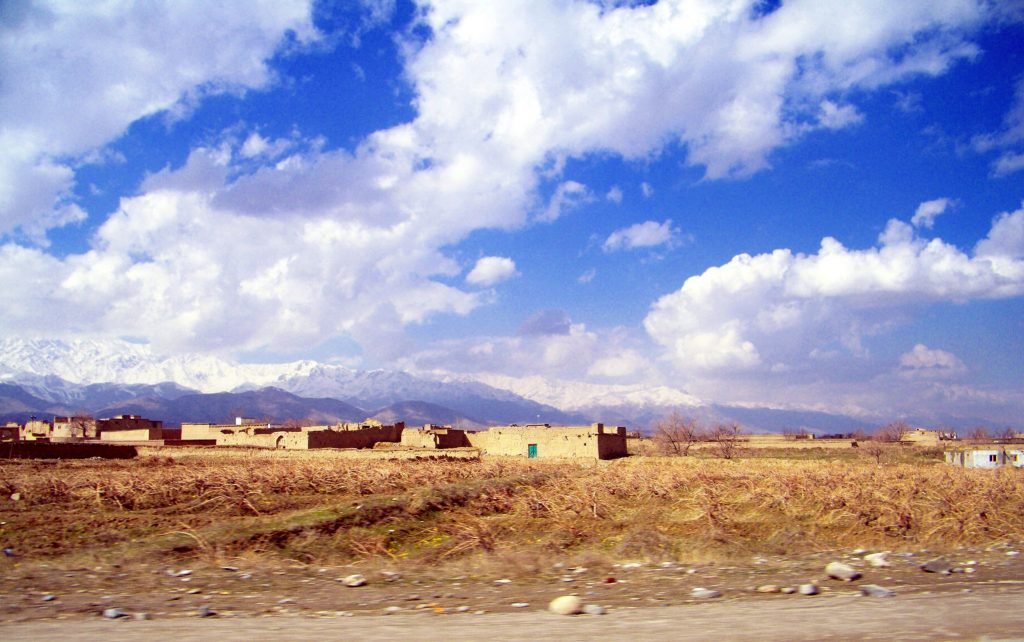
North of Kabul on road to Mazar i Sharif. Photo by Lauras Eye 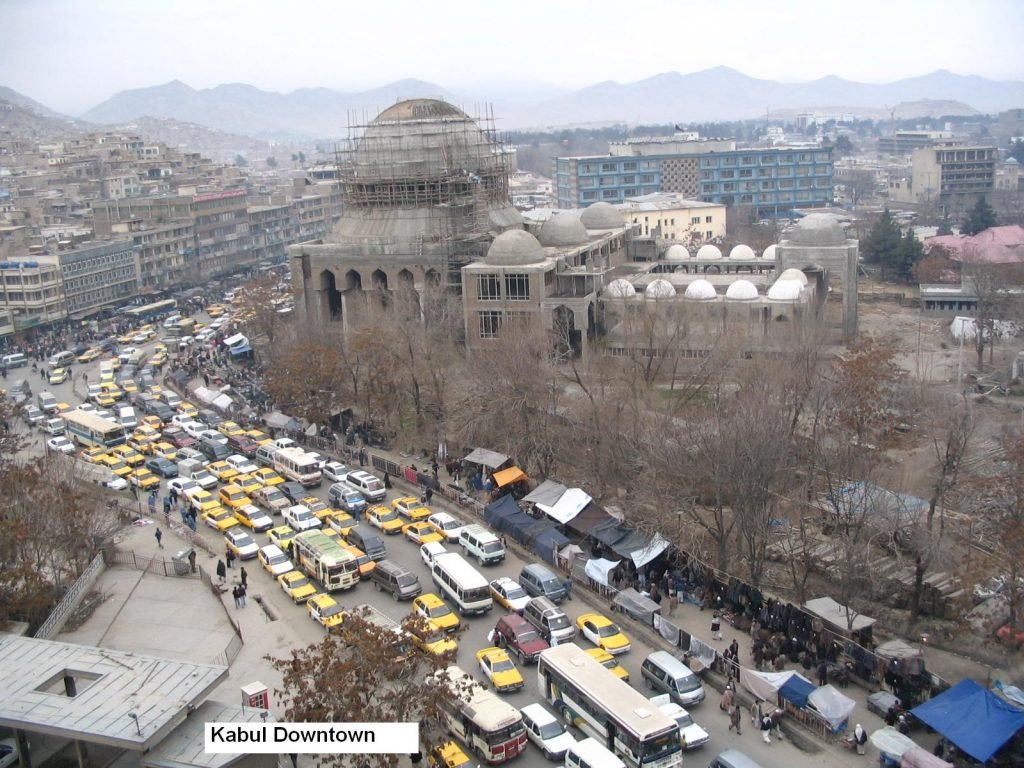
Street scene in Kabul, Afghanistan by ICMA Photos 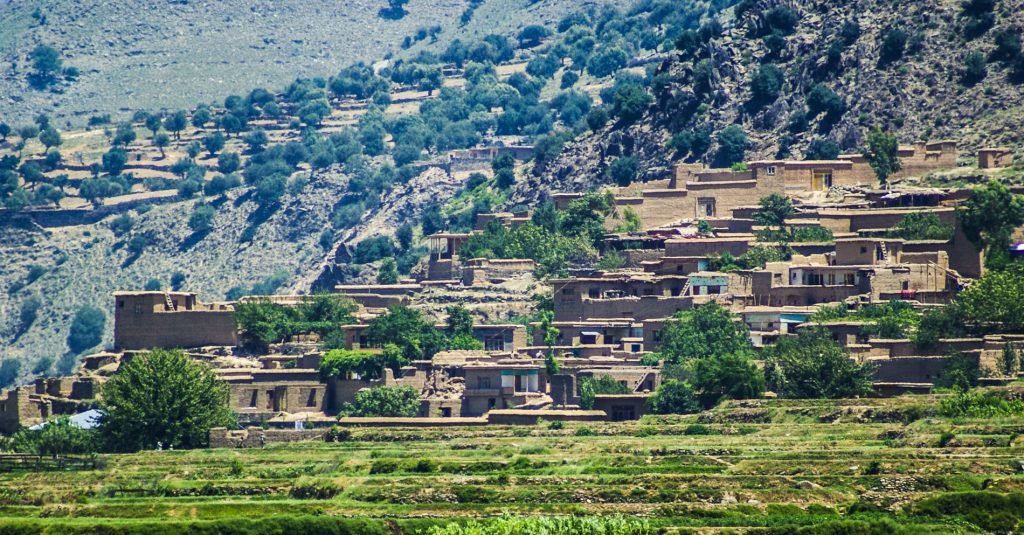
Naray, Afghanistan by R9 Studios FL 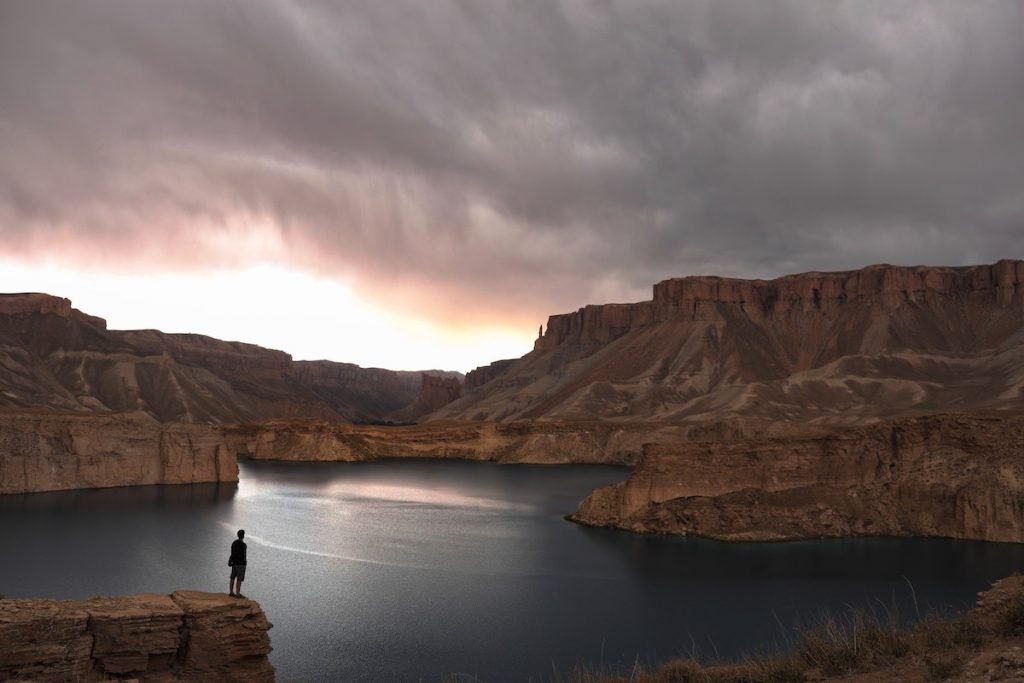
Band-e Amir, Afghanistan. Photo by nasim dadfar 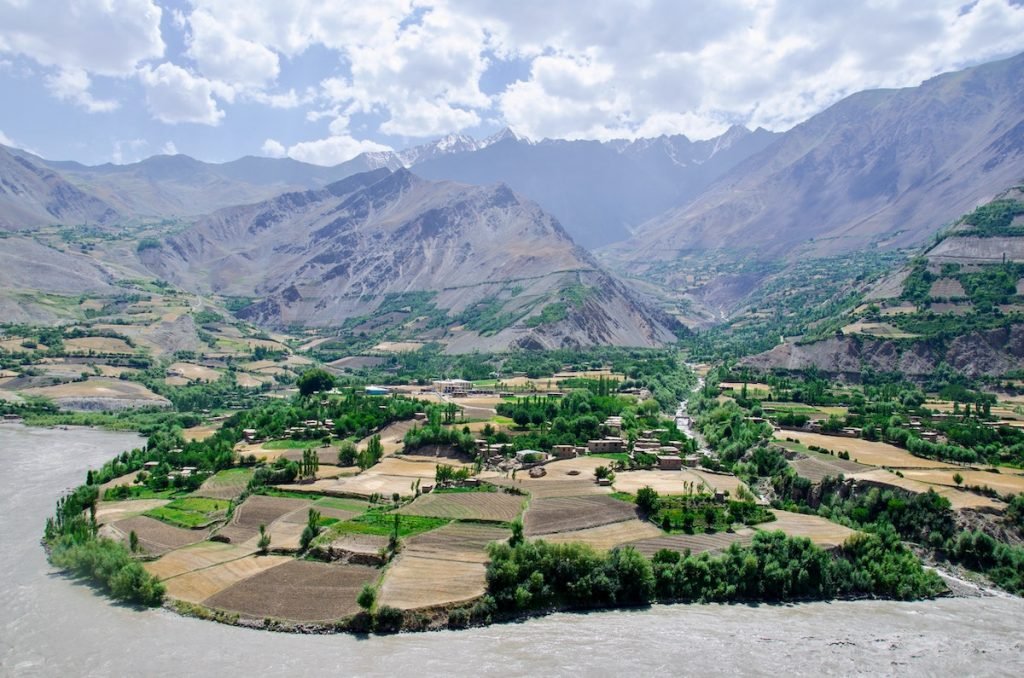
Afghanistan from the Pamir highway. Photo by EJ Wolfson 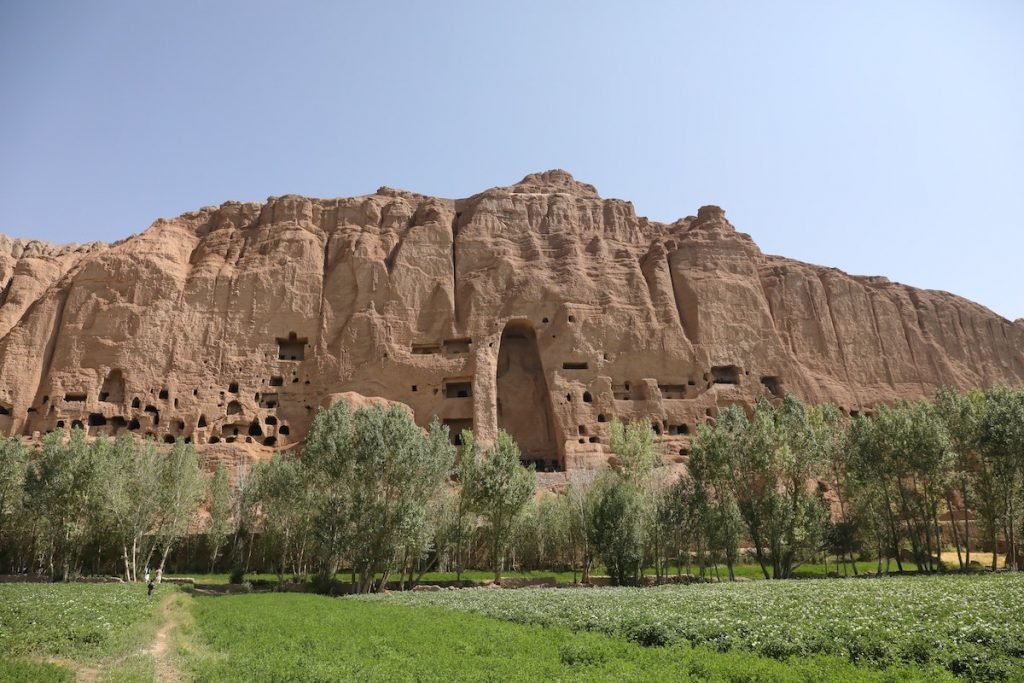
Bamyan, Afghanistan. Photo by Sohaib Ghyasi 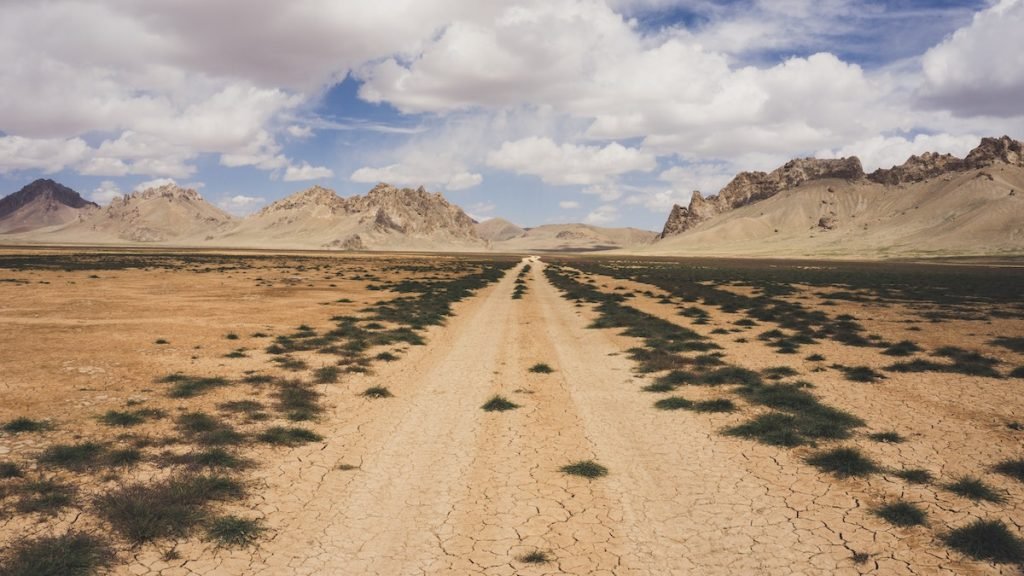
Pamir Mountains, Afghanistan. Photo by WantTo Create 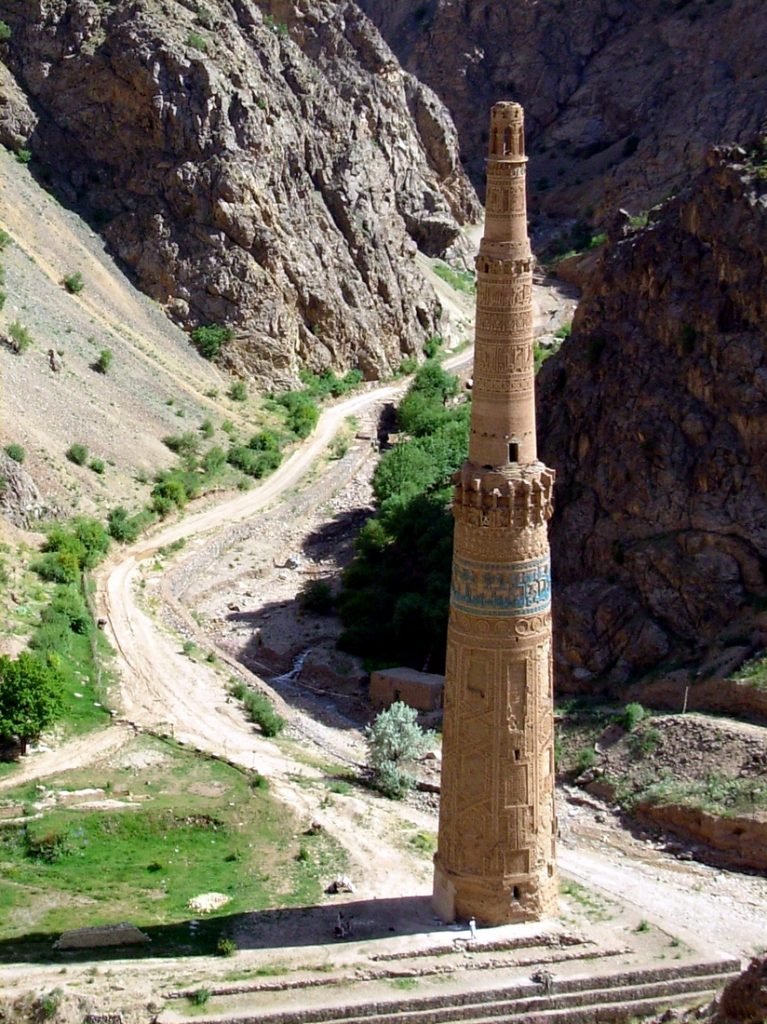
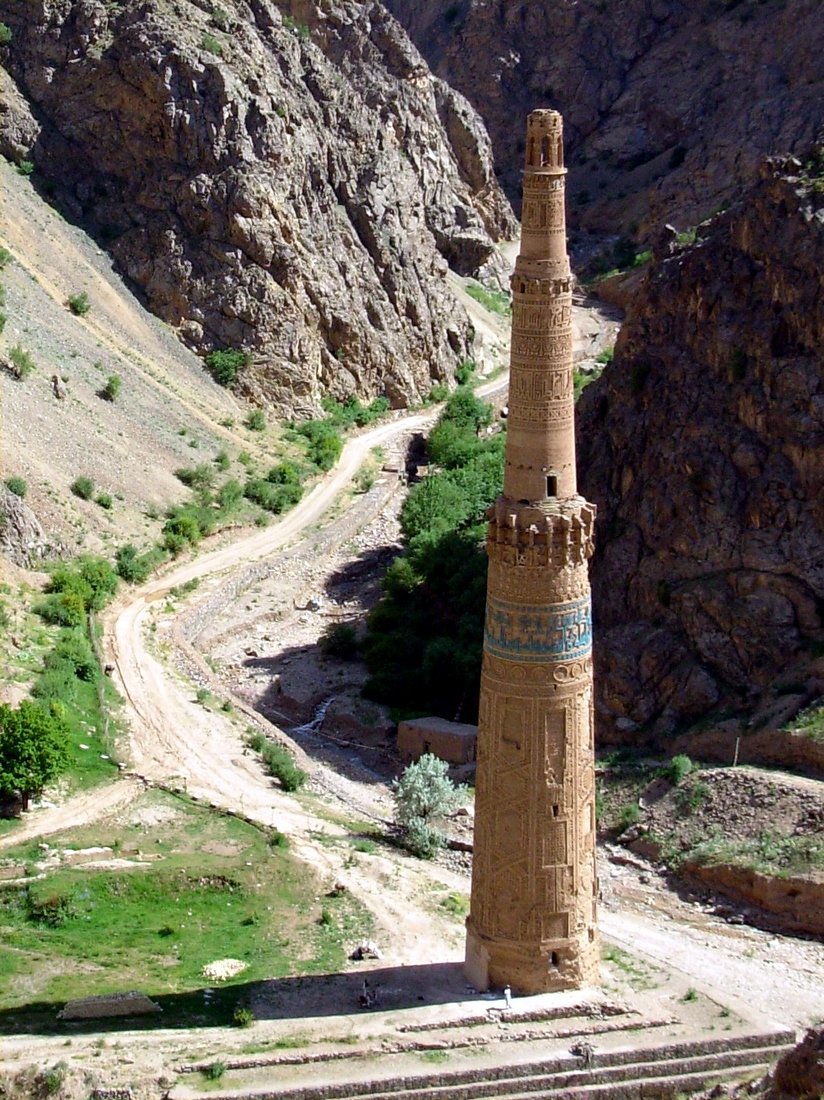
The Minaret of Jam. Photo by David Adamec

Books and films
- The Breadwinner – available on Netflix. Heartbreaking and beautiful film
- The Kite Runner by Khaled Hosseini
- A Thousand Splendid Suns by Khaled Hosseini
- Earth and Ashes by Atiq Rahimi
Food
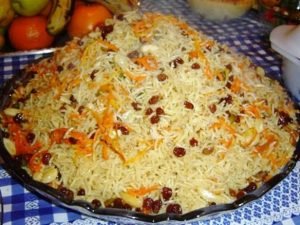
There is one clear national dish of Afghanistan, though getting a consistent spelling of it is a bit tough. I saw kabuli palau, kabuli palaw, qabili palau, kabuli palao, and qabili pilau. There are many different recipes and variations throughout the country, but what’s consistent in all is basmati rice, carrots, and raisins. It sometimes includes a protein, usually chicken or lamb. And depending on the region or family recipe, it can include various aromatics and spices, including onions, almonds, cumin, cardamom, saffron, cinnamon, pistachios, garlic, cloves, or turmeric.
Afghans have a unique cooking method for basmati rice that results in fluffy, separate grains. After being rinsed thoroughly, the rice is soaked in water for several hours. The rice is then pre-cooked by boiling in a large amount of water for just a few minutes – until just the outside of the rice grains is cooked. It’s then drained in a strainer (like pasta) and layered in a pot with the protein and aromatics and a little liquid to be steamed in a cooking vessel until it’s fully cooked.
Kabuli palau is labor-intensive! I used this recipe. I started preparing it around 11am, and didn’t sit down to eat dinner until about 7pm. After sifting through lots of different recipes, I chose one that seemed to use the most commonly-included ingredients. I used a leg of lamb for the protein. Every recipe I found also made a huge amount of food – which makes sense, I guess. You wouldn’t want to spend all day cooking just to make a portion or two of food. I shared with friends, packing up and delivering individual portions.
Street food
I searched YouTube for street food videos and there are a few, though not as many as there are for many other countries. One thing becomes immediately obvious – there are only men on the streets. There are no women making or serving food, no women buying or eating food, and barely any women even walking by in the background. When women are occasionally glimpsed, they are fully covered head to foot.
Women in Afghanistan
From the very beginning of modern-day Afghanistan, there was steady progression of women’s rights. Women in Afghanistan got the right to vote in 1919, a year before women in the U.S. The 1950s and 1960s saw big strides forward with women attending university, wearing Western-style clothing in public, and participating in politics.
In 1979, Soviet Russia invaded and occupied Afghanistan, kicking off decades of violence and multiple wars. Women had their rights taken away, bit by bit. When the USSR dissolved in 1991, the Taliban took over the country. Women were imprisoned in their homes, unable to venture out without a male chaperone. They were forbidden from getting an education, from working, from showing any skin in public, from speaking publicly, and from getting healthcare from men. (As women weren’t allowed to work, denying women access to healthcare from men essentially meant they had no access to healthcare at all.) Punishments for breaking these restrictions were harsh – women were stoned to death, beaten, disfigured, and permanently disabled.
In 2001, international forces invaded Afghanistan in an attempt to remove the Taliban from power. Two decades on, the Taliban are officially removed from power, but still control areas of Afghanistan. The Afghan government, with help from international forces, continues fighting for control.
In 2004, Afghanistan created a new constitution that supposedly granted equal rights to women, but the reality is that there are still many restrictions on women and women are routinely harassed, discriminated against, subjected to violence, and persecuted. Women are working hard for their rights and in recent elections, about 30% of the voters have been women.
Starting in 2019, the US government has been helping to negotiate peace between the Afghan government and the Taliban. Women throughout Afghanistan are afraid that their rights and freedom will be the bargaining tool used to reach peace with the Taliban. Women in Afghanistan are posting to social media with the hashtag #MyRedLine to bring awareness to their plight.
Music and dance
This video from UC Davis is a great example of both Afghan music and dance. Plus, we get to see gorgeous examples of traditional Afghan clothing.
I searched high and low but wasn’t able to find any videos of the Attan being performed in Afghanistan. But there are many videos of Afghan immigrants in countries around the world celebrating their traditional culture. Some scholars believe the folk dance called the Attan could date as far back as 2000 BCE.
Stuff to make you look smart
- If you’re talking about things that are from Afghanistan, the correct term is Afghan. Afghani refers only to the currency used in the country.
- The oldest known oil paintings in the world are in Afghanistan – in caves at Bamyan.
- Afghan carpet weavers are world-renowned for their skill and rug patterns unique to Afghanistan.
- 99.7% of Afghans are Muslim. The remaining 0.3% are Christian, Sikh, or Hindu.
- The Afghan new year starts on March 21 – the first day of the Persian calendar
- Most of the major cities in Afghanistan are connected by a major highway called the Ring Road or Highway 1.
What surprised me
- Afghanistan borders China! There’s actually a little part of Afghanistan that sticks out called the Wakhan Corridor that touches China for 47 miles. More about the Afghanistan-China border.
- Afghanistan has been traversed for centuries by trade routes going in all directions, connecting east and west as well as north and south. Because of that, it’s been conquered repeatedly for centuries, and seems as though it’s been at war more often than at peace through much of recorded history.
- The US Government has not classified the Taliban as a terrorist group. This appears to be because of our strict US policy not to negotiate with terrorists and the US need to be able to negotiate with the Taliban as they haven’t been able to defeat them.
- The top industry in Afghanistan is the illegal opium poppy – estimates are that Afghan opium poppies provide 90% of the world’s heroin supply.
- Afghanistan has one of the lowest literacy rates in the world – it was at just 18% in 1980, but thanks to educational programs and international support is currently up to 43%.
- There is literally one Jew living in Afghanistan. He maintains the last synagogue in Kabul. His name is Zablon Simintov.